I Switched to the Powershot Sx70 Hs and Here is What Happened
Introduction to the Bridge Camera Evolution
For many years, the digital imaging landscape was sharply divided between the pocketable convenience of point-and-shoot cameras and the bulky, professional capabilities of Digital Single-Lens Reflex (DSLR) systems. However, a middle ground has long existed in the form of the bridge camera. These devices are designed to "bridge" the gap between simplicity and performance, offering the ergonomics of a professional body with the fixed-lens convenience of a compact. Among the most storied lineages in this category is the Canon PowerShot SX series. The transition to the Canon PowerShot SX70 HS represents more than just a hardware upgrade; it is a shift in how photographers approach versatility in a single, unified package.
When an enthusiast or a casual documentarian decide to move away from a multi-lens kit or a smartphone-only workflow, they are often looking for the "Swiss Army Knife" of electronics. The PowerShot SX70 HS was released to address a specific set of needs: extreme reach, improved modern processing power, and a user interface that mirrors the more expensive EOS interchangeable lens lineup. In this detailed exploration, we analyze the technical transitions and real-world outcomes of integrating this high-zoom bridge camera into a standard electronics rotation, evaluating whether the convenience of a 65x optical zoom outweighs the inherent limitations of a smaller sensor design.
Hardware Overview and Technical Analysis
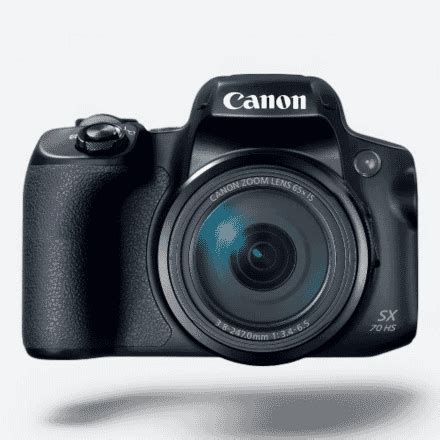
The heart of the PowerShot SX70 HS experience lies in its optical engineering. The headline feature is undoubtedly the 21-1365mm (equivalent) f/3.4-6.5 zoom lens. Switching to this device means gaining the ability to capture a wide-angle landscape and a tight shot of a bird in a distant tree within seconds, without ever reaching into a camera bag. This physical flexibility is powered by a 20.3-megapixel CMOS sensor. While the sensor size is the standard 1/2.3-inch variety found in many bridge cameras, the SX70 HS differentiates itself by incorporating the DIGIC 8 image processor. This was a significant leap forward from previous generations, enabling faster startup times, improved autofocus tracking, and the ability to record 4K video.
The build quality of the SX70 HS leans heavily into the DSLR aesthetic. It features a deep, textured grip that allows for stable one-handed operation, though two hands are essential when extending the lens to its 1365mm maximum. The inclusion of a 0.39-inch OLED Electronic Viewfinder (EVF) with approximately 2.36 million dots is one of the most critical upgrades for those switching from older models or smartphones. In bright daylight, where rear LCD screens become nearly impossible to see, the EVF provides a clear, high-resolution view of the subject, making it much easier to track fast-moving wildlife or sports participants.
A Shift in User Experience: The EOS Interface
One of the most immediate changes noticed when switching to the SX70 HS is the software environment. Unlike many earlier bridge cameras that used a simplified "compact-style" menu, the SX70 HS utilizes the professional-grade EOS menu system. For users who have previously handled a Canon Rebel or 5D series camera, the transition is seamless. The dials are intuitive, and the "Zoom Framing Assist" buttons on the side of the lens barrel remain a standout feature for electronics of this class. If you lose your subject while zoomed in deep, pressing a button quickly zooms the lens out to help you find it, then snaps back to the previous focal length once the button is released.
Real-World Performance: What Users Should Expect
The performance of the PowerShot SX70 HS is defined by its environments. In bright, outdoor conditions—the natural habitat for ultra-zoom cameras—the device excels. The Image Stabilization (IS) system is rated for up to five stops, which is a technical necessity when shooting at long focal lengths. Without such robust stabilization, the slightest tremor from the user’s hand would result in a blurred image when at the 1365mm mark. When switching to this camera, the most prominent realization is just how much the "Dual Sensing IS" technology compensates for movement by using both the image sensor and the vibration sensors in the lens.
In low-light scenarios, the limitations of the 1/2.3-inch sensor become more apparent. Because the physical area of the sensor is smaller than those in APS-C or Full Frame cameras, it cannot gather as much light. This leads to increased "noise" or graininess when the ISO is pushed above 800 or 1600. For the buyer, this means the SX70 HS is a specialized tool. It is a king of the outdoors, perfect for safari, bird watching, and daytime sports, but it requires a flash or a tripod for indoor events and late-evening photography. However, the addition of CR3 RAW support is a massive boon for those who like to edit their photos, providing more headroom to recover shadows and highlights that would otherwise be lost in a standard JPEG file.
Detailed Pros and Cons
Understanding the value of an electronic device requires a balanced look at its strengths and its compromises. The PowerShot SX70 HS is a master of versatility, but it is not without its trade-offs.
Discover deals on Electronics — updated daily.
See Deals →- Extreme Optical Reach: 65x optical zoom covers almost every conceivable shooting scenario from close-up macro work to extreme telephoto photography.
- Advanced Image Processing: The DIGIC 8 processor ensures fast operation and supports 4K video at 30fps and high-speed continuous shooting up to 10fps.
- OLED Viewfinder: A high-quality EVF makes a substantial difference in framing accuracy and usability in various lighting conditions.
- RAW Support: The ability to shoot in 14-bit RAW allows for professional-level post-processing and better image quality retention.
- Ergonomics: The DSLR-like body and ergonomic grip provide comfort during long shooting sessions and better stability for long-range shots.
- Vari-Angle LCD: The 3.0-inch articulating screen allows for creative angles, including low-to-the-ground shots and Vlogger-style self-recording.
- Sensor Size Limitations: The small 1/2.3-inch sensor struggles in low light, producing more grain than larger sensor cameras.
- Fixed Aperture: The aperture drops to f/6.5 at the long end of the zoom, which necessitates very bright conditions for fast shutter speeds.
- No Touchscreen: Despite the modern menu system, the rear LCD lacks touch functionality, which can slow down focus point selection for some users.
- Autofocus in 4K: While 4K video is a great addition, the autofocus can hunt slightly in video mode compared to Canon's Dual Pixel CMOS AF found in higher-end models.
Comparative Analysis: The Bridge Camera Market
To understand where the SX70 HS sits in the broader electronics market, it is helpful to compare it against its predecessor and its primary competitors in the ultra-zoom category. Buyers often weigh the balance between zoom range, sensor size, and price.
| Feature | PowerShot SX70 HS | PowerShot SX60 HS (Prior Model) | Competitor Typical 1-inch Bridge |
|---|---|---|---|
| Sensor Size | 1/2.3-inch CMOS | 1/2.3-inch CMOS | 1-inch CMOS |
| Optical Zoom | 65x (21-1365mm) | 65x (21-1365mm) | 16x - 25x (Various) |
| Processor | DIGIC 8 | DIGIC 6 | Brand Specific |
| Video Resolution | 4K (30p) | 1080p (60p) | 4K (30p/60p) |
| EVF Resolution | 2.36 Million Dots | 922k Dots | 2.36 Million Dots |
| Continuous Shooting | 10 fps | 6.4 fps | 12 - 20 fps |
As the table illustrates, the switch to the SX70 HS primarily offers benefits in speed, video capability, and viewfinder clarity. While 1-inch sensor cameras offer better image quality in low light, they typically cannot match the reaching power of the SX70 HS without being significantly larger and much more expensive. For the user who prioritizes seeing the craters on the moon or the expressions of a player across a football field, the 65x zoom of the Canon remains a compelling choice.
Buying Guide: Is the PowerShot SX70 HS Right for You?
Purchasing a piece of high-end consumer electronics like the PowerShot SX70 HS requires an assessment of your lifestyle and photography goals. If you are a traveler who wants to document everything without carrying a backpack full of glass, this is a prime candidate. Here are the key factors to consider before making the switch.
Assessing the Focal Length Needs
Most photographers rarely need more than 200mm or 300mm. However, if your interests include birding, plane spotting, or wildlife photography, you will find that even 600mm is often not enough. The 1365mm reach of the SX70 HS is the primary reason to buy this camera. If you find yourself constantly wishing you could "get closer" to a subject, this camera solves that problem more effectively than almost any other device in its price bracket.
Portability vs. Capability
While the SX70 HS is smaller than a DSLR with an equivalent lens (which would be several feet long and weigh twenty pounds), it is still a substantial device. It will not fit in a pants pocket. Prospective buyers should be comfortable wearing a neck strap or carrying a small dedicated camera bag. The trade-off is the ergonomics; the physical controls and the "Zoom Framing Assist" are features you simply cannot get on a smaller travel zoom or a smartphone.
Video and Content Creation
With the inclusion of 4K video and a microphone input, the SX70 HS has become a viable tool for content creators. The articulating screen makes it easy to frame yourself for vlogs, and the massive zoom allows for unique B-roll footage that most influencers cannot capture with standard gear. However, remember that 4K video involves a slight crop, meaning your wide-angle shots won't be quite as wide when recording in the highest resolution.
Connectivity and Ecosystem
In the modern electronics era, a camera that doesn't talk to a phone is a burden. The SX70 HS features built-in Wi-Fi and Bluetooth. This allows for persistent connection to a smartphone via the Canon Camera Connect app. You can transfer images for social media sharing almost instantly or use your phone as a remote shutter. For those who enjoy long-exposure photography of the night sky, using a phone to trigger the camera prevents the handshake blur that occurs when physically pressing the shutter button.
Find top-rated Electronics products at great prices.
Shop Amazon →The Macro Capability: An Underrated Feature
While much of the marketing for the SX70 HS focuses on the long-distance zoom, switching to this camera reveals a surprising secondary strength: macro photography. The lens can focus on subjects that are literally touching the front element when set to the widest angle. This makes it an exceptional tool for photographing flowers, insects, or technical components in high detail. Most interchangeable lens systems require a dedicated, expensive macro lens to achieve this level of magnification. Having this capability built into a "do-it-all" device adds immense value for hobbyists who enjoy exploring the miniature worlds in their own backyards.
Managing Expectations with the Small Sensor
When someone switches from a smartphone to a dedicated camera, they often expect a massive leap in every category of image quality. It is important to understand that in very dim light, a modern flagship smartphone uses computational photography to "fake" better images than a 1/2.3-inch sensor might produce in Automatic mode. However, the SX70 HS offers something a phone cannot: true optical compression and manual control. By learning to use the Shutter Priority or Aperture Priority modes, a user can master the SX70 HS and produce photographs that look significantly more professional and intentional than a smartphone snap. The key is to work with the light rather than against it.
Conclusion: The Verdict on the Switch
Switching to the Canon PowerShot SX70 HS is a decision rooted in the desire for total photographic freedom. It represents a move away from the frustration of being "too far away" and toward a world where every subject is within reach. While it inherits the physical challenges of a small sensor—specifically in low-light performance—it compensates with modern processing, professional-grade menus, and an industry-leading zoom range.
The experience of using the SX70 HS is one of empowerment. For the traveling parent watching a child’s graduation from the back of an auditorium, or the nature enthusiast trying to capture a rare hawk without scaring it away, the electronics inside this bridge camera provide a bridge to memories that would otherwise be missed. It is a specialized, highly capable tool that excels when used within its design parameters. For those who understand that great photography often requires the right tool for the right distance, the PowerShot SX70 HS proves to be an indispensable companion in the digital age.
Ultimately, the "switch" to this device simplifies the photographic process by removing the need for lens changes and heavy gear, allowing the user to focus on the most important aspect of electronics: the utility they provide in our daily lives. Whether used for its 4K video, its RAW image capability, or its staggering 65x zoom, the SX70 HS remains a benchmark for what a modern bridge camera should be. It is a testament to how far fixed-lens technology has come, offering a polished, responsive, and incredibly versatile experience for anyone looking to capture the world in its entirety.