The Real Truth: Momentum 2 0 On Ear Hd1 On Ear or Rp Hc200?
Introduction
Choosing the right pair of headphones is an exercise in trade-offs: sound signature versus comfort, build quality versus portability, features versus price. Two models that often appear in comparative discussions are the Momentum 2.0 On-Ear (sometimes referenced as the HD1 On-Ear in retail listings) and the RP-HC200. One sits closer to the premium, design-forward segment while the other targets pragmatic buyers who prioritize value and everyday usability. This article examines both in practical, real-world terms so prospective buyers can decide which best matches their priorities.
At a glance: what kinds of buyers should consider each model
- Momentum 2.0 On-Ear — best suited for listeners who care about refined sound with a slightly warm signature, premium materials, and a fashionable, portable design for commuting and office use.
- RP-HC200 — makes the most sense for budget-conscious buyers who want comfortable, lightweight headphones for daily listening, phone calls, and extended wear without bells and whistles.
Detailed product analysis
Momentum 2.0 On-Ear (HD1 On-Ear) — build, fit and everyday performance
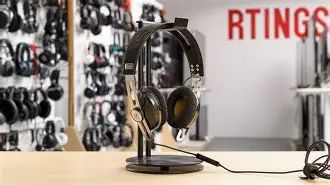
The Momentum 2.0 On-Ear positions itself as a premium compact option. Materials commonly emphasized in reviews include metal yokes and stitched leather or leatherette on the headband and ear pads, giving these headphones an upscale feel that many buyers associate with durability and a classic aesthetic. The on-ear design keeps the profile small and comparatively portable — a practical advantage for commuters who store headphones in small bags or want less bulky gear on their lap in transit.
Comfort depends on ear shape and clamping force. Momentum on-ear models typically balance a secure clamp with padding to avoid pressure points during hour-long sessions. For users who prioritize long listening periods, the on-ear discipline is a compromise: it is more compact than over-ear designs but can cause more localized pressure on the ears over extended wear.
Sonically, the Momentum family is often described as musically engaging with a warm, slightly bass-forward balance that still retains midrange clarity. For acoustic music, podcasts, and polished pop production, this signature tends to be forgiving and enjoyable for casual and discerning listeners alike. Imaging and detail retrieval on well-mastered tracks are typically good for the class, making the Momentum 2.0 appealing for users who want both style and substance.
Practical features commonly found on contemporaneous Momentum on-ear models include an inline remote and microphone for phone calls and simple playback control, fold-flat hinges for transport, and a moderate level of passive isolation. They are not usually targeted at active noise cancellation enthusiasts; instead, they rely on the physical seal and passive attenuation to reduce ambient noise.
RP-HC200 — practical comfort and everyday usability
The RP-HC200 represents a different philosophy: simplicity and comfort at a modest price. The design language is typically lightweight plastic with soft foam earpads and an adjustable headband. The emphasis is on delivering a pleasant-wearing experience without inflating costs with premium materials.
Comfort is a clear strength for this class: thin, breathable padding and low clamp force make these headphones suitable for extended listening during remote work, telephone-heavy days, or long study sessions. The lighter weight reduces fatigue and makes the RP-HC200 a sensible choice for users who wear headphones for many hours at a time.
Sound quality for the RP-HC200 tends to be neutral to slightly recessed in the low end compared with premium on-ear models. Clarity in the midrange is adequate for spoken word, webinars, and casual music listening, but bass lovers may find the low-end response less impactful. These headphones often excel for voice-focused use cases like conference calls, online classes, or watching videos where extreme fidelity is less crucial than comfort and intelligibility.
Feature-wise, the RP-HC200 models are generally straightforward: fixed or detachable cables, sometimes with an inline mic for calls, and minimal packaging. They rarely include advanced controls, active noise reduction, or premium carrying cases; those trade-offs contribute to a lower price point and straightforward ownership experience.
Pros & Cons
Momentum 2.0 On-Ear — Pros
- Strong build quality and premium materials that feel durable and refined
- Musical, engaging sound signature that suits a wide range of genres
- Compact and portable design with practical folding mechanisms
- Good midrange clarity for vocals and acoustic instruments
- Inline controls and mic typically included for mobile use
Momentum 2.0 On-Ear — Cons
- On-ear clamping can become uncomfortable during very long listening sessions for some users
- Premium materials and design come at a higher price point than entry-level alternatives
- Passive isolation only — not optimized for noisy environments compared with ANC headphones
RP-HC200 — Pros
- Lightweight and comfortable for extended wear
- Affordably priced, offering good value for everyday use
- Simple, no-fuss design that’s easy to use and maintain
- Often suitable for voice-heavy tasks: calls, meetings, and lectures
RP-HC200 — Cons
- Materials and build quality are utilitarian and may feel less durable over years of heavy use
- Sound lacks low-end impact for listeners who favor bass-forward playback
- Few advanced features — limited controls, carrying options, and accessories
Head-to-head comparison
| Attribute | Momentum 2.0 On-Ear (HD1 On-Ear) | RP-HC200 |
|---|---|---|
| Positioning | Premium portable on-ear designed for sound quality and style | Budget-friendly, comfort-first daily headphones |
| Build & Materials | Metal accents, stitched padding, premium finish | Lightweight plastics and foam padding |
| Comfort | Comfortable for short-to-medium sessions; potential pressure on ears over long use | Very comfortable for long sessions thanks to low clamp force |
| Sound Signature | Musical, warm, balanced with good midrange presence | Neutral to slightly thin bass; clear midrange for speech |
| Portability | Compact, foldable, travel-friendly | Lightweight but bulkier when compared to foldable premium models |
| Isolation | Moderate passive isolation | Minimal isolation; ambient sound remains noticeable |
| Features (mic/controls) | Inline mic and remote commonly included | Basic or no inline controls; some variants include mic |
| Best use cases | Commuting, office, music appreciation on-the-go | Work-from-home, long calls, budget-friendly casual listening |
Real-world use cases and what buyers typically care about
Buyers think in scenarios. Below are common real-world cases and how each model performs in those contexts.
Commuting and travel
Momentum 2.0 On-Ear: Its compact foldable design and passive isolation make it a strong candidate for trains and buses when the goal is to enjoy music without bulky over-ear cups. It reduces ambient noise enough for most public transit, and the premium materials survive a lot of handling.
Looking for the best Audio & Headphones deals on Amazon?
See Deals →RP-HC200: Lightweight comfort makes long rides less fatiguing, but thinner padding and reduced passive isolation mean more external noise leaks in. The RP-HC200 is better suited to quieter commutes or for users who prioritize comfort over sound isolation.
Work-from-home and office use
Momentum 2.0 On-Ear: Delivers better music enjoyment during breaks and handles conference calls with decent mic support. The refined look also blends into professional settings.
RP-HC200: A reliable work companion for long meetings thanks to low clamp force. If calls dominate the day, clarity and comfort make the RP-HC200 a practical choice.
Exercise and active use
Neither model is purpose-built for high-sweat workouts. The Momentum’s premium materials may be susceptible to wear with repeated exposure to sweat, and the RP-HC200’s lightweight construction is not inherently sweatproof. For running and heavy exercise, a sport-focused option would be better.
Home listening and casual enjoyment
Momentum 2.0 On-Ear: Better for listeners who want musicality and character during focused listening sessions. It scales well with higher-quality sources and modern streaming.
RP-HC200: Suits casual listening, background music, and prolonged video watching; it performs best where sonic extremes are not the priority.
Buying guide: choosing the right model
The right choice depends on a buyer's priorities. Below are decision criteria and practical tips to guide the purchase.
1. Define primary use
Is the headphone intended mainly for commuting, office work, long calls, or focused music listening at home? If musical enjoyment and a premium look matter most, lean toward the Momentum 2.0. If long-wear comfort and affordability are top priorities, the RP-HC200 is the practical pick.
2. Evaluate comfort and fit
Try to assess clamping force and pad material before buying. On-ear designs place pressure directly on the ears — test whether the pressure becomes uncomfortable after 30–60 minutes. Lightweight models with softer padding are preferable for marathon sessions.
3. Sound preferences
Listeners who prefer warm, engaging sound with more emphasis on bass and vocal presence will likely appreciate the Momentum 2.0’s tuning. Those who prioritize clarity in spoken word and a balanced, uncolored presentation can find the RP-HC200 suitable.
Find top-rated Audio & Headphones products at great prices.
Shop Amazon →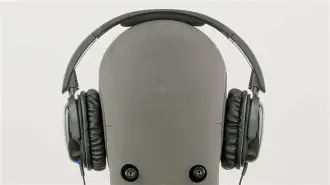
4. Portability and build
If travel and storage are frequent concerns, a foldable, sturdier build is valuable. Premium materials withstand repeated handling, but low weight and simple construction may be more comfortable day-to-day.
5. Call quality and controls
For heavy phone or video call users, verify whether the headset offers a clear inline mic and convenient controls. Momentum models typically include better integrated remotes; budget models vary by variant.
6. Isolation and environment
Consider how noisy the typical environment is. If subway commutes or open-plan offices are common, greater passive isolation or active noise cancellation is beneficial. Neither of these models is an ANC leader; if noise reduction is essential, consider models specialized for that feature.
7. Longevity and service
Check warranty terms, availability of replacement pads/cables, and manufacturer support. Premium models often have replacement parts and better service paths; budget models may not.
8. Try before buying where possible
Because fit and subjective sound preferences vary, auditioning headphones in-store (or buying from retailers with flexible return policies) reduces the risk of mismatch.
Verdict and conclusion
Both the Momentum 2.0 On-Ear and the RP-HC200 serve clear but different purposes. The Momentum 2.0 is aimed at buyers who value a blend of refined sound, premium materials, and a compact, stylish package suitable for commuting and urban life. It is a good choice when the buyer wants a step up in sonic character and a product that looks as good as it sounds.
The RP-HC200 excels as an economical, comfort-first option for long hours of use where extreme fidelity is not the priority. It best serves those who need a lightweight, unobtrusive headset for calls, study, or background listening and who prefer low cost and simplicity over premium finishes.
Ultimately, the "real truth" is this: neither model is universally better — each answers different buyer questions. A music-focused commuter likely gains more enjoyment from the Momentum 2.0 On-Ear, while a remote worker or budget-minded buyer will find the RP-HC200 the more practical and comfortable daily companion. The sound and build trade-offs are intentional in each design, so choosing the right one comes down to matching features to real-world needs.