The Ultimate Setup Guide for Your Samsung Galaxy Fit 3
The Samsung Galaxy Fit 3 is a lightweight fitness tracker aimed at users who want continuous health monitoring and a bright, easy-to-read display without the complexity or size of a full smartwatch. This guide walks through everything from unboxing and first-time setup to daily use, customization, and troubleshooting. It also includes an in-depth analysis of the Fit 3’s strengths and weaknesses, a comparison table to help set expectations, and a focused buying guide so readers can decide whether the Fit 3 meets their needs.
Introduction: What the Galaxy Fit 3 Promises
The Galaxy Fit 3 positions itself as a mature, mainstream fitness tracker with a large color display, multi-day battery life, and seamless integration with Samsung Health. It targets people who want reliable step counting, heart-rate monitoring, sleep analysis, and gentle smart notifications without paying for a full-featured smartwatch. Common buyer priorities include comfort for 24/7 wear, battery longevity, fitness tracking accuracy, and how well the tracker pairs with the rest of the phone ecosystem.
Unboxing and First Steps
What to expect in the box
Out of the box, the Fit 3 typically includes the tracker module fitted into a soft silicone strap, a magnetic charging cable or dock, and a small quick-start guide. The packaging is compact, and the most important accessories are the charger and any documentation that explains how to get started with pairing.
Initial setup checklist
- Charge the tracker: connect it to the magnetic charger until its battery is sufficient to complete setup.
- Install the Samsung Health app: while the Fit 3 works best with Samsung devices, it also pairs with many Android and iOS phones. The Samsung Health app manages profiles, sync, and firmware updates.
- Enable Bluetooth and location services on the phone: permission prompts are required for syncing activity and receiving notifications.
- Pair and update firmware: follow the Samsung Health pairing flow and install any firmware updates before using the tracker extensively.
Detailed Product Review and Analysis
Design and comfort
The Fit 3 is designed to be worn all day and night. The tracker module is low-profile and lightweight, making it comfortable for sleeping and workouts alike. The band is made from soft silicone or similar materials and is adjustable to a wide range of wrist sizes. For many users, the combination of a slim module and soft strap reduces the friction that can make continuous wear uncomfortable with bulkier devices.
Display and readability
One of the Fit 3’s notable upgrades is its bright color display. The screen is large enough to show notifications, workout metrics, and incoming call information clearly. The user interface focuses on quick glances—big text, clear icons, and touch gestures. This makes it useful for users who want to check stats during a run or glance at sleep summaries in the morning without fumbling with their phone.
Battery life and charging
The Fit 3 prioritizes battery longevity over advanced, power-hungry features. Typical everyday use—notifications, routine heart-rate monitoring, sleep tracking—will often yield several days of battery life, and with conservative settings users can extend that further. Charging is handled via a proprietary magnetic cable which docks easily for quick top-ups. The charging time is reasonable; a few minutes of charging can sometimes provide hours of extra use for busy days.
Sensors and health tracking
Fitness and health features include continuous heart-rate monitoring, step counting, sleep analysis, and blood-oxygen (SpO2) estimation in supported regions. The Fit 3 also supports automatic workout detection for common activities and manual session tracking for running, cycling, and strength training. Like most wrist-based trackers, sensor accuracy varies by activity: step and sleep tracking are generally reliable, but heart rate during high-intensity interval training or rapid wrist motion can show variance. For serious athletes, a chest strap or a dedicated GPS watch remains the most accurate option.
GPS and connectivity
The Fit 3 generally relies on the paired phone’s GPS for route tracking, which means the phone must remain nearby for accurate outdoor mapping. This design keeps the tracker slim and battery-efficient, but it means runners and cyclists who want independent GPS tracking should consider a dedicated GPS-enabled device instead. Bluetooth connectivity is stable for notifications, music control, and data sync, but strong signal and close proximity to the phone ensure the best experience.
Software and app experience
Samsung Health acts as the central hub for the Fit 3. It aggregates steps, workouts, sleep, and heart-rate trends, and provides guided programs and challenges. Syncing is smooth for most users, and firmware updates are delivered through the app. Customization options include watch faces, notification filters, and quick-access widgets for workout shortcuts. Integration with other health services is improving, but the tightest features and most seamless experience are found in the Samsung ecosystem.
Shop the latest Electronics picks on Amazon.
View Offers →Durability and water resistance
The Fit 3 is designed for daily wear and light water exposure, such as hand washing and short swims. Its water resistance rating supports recreational swimming, but saltwater and chemical exposure (e.g., chlorinated pools) benefit from rinsing afterward. Long-term durability depends on how the strap and housing endure daily sweat, cosmetics, and incidental knocks; keeping the band clean will prolong its lifespan.
Real-world Use Cases and Buyer Concerns
Casual daily activity monitoring
For office workers and everyday users, the Fit 3 excels at passive tracking: steps, hourly activity reminders, and sleep summaries. The form factor is discreet enough to wear in meetings and comfortable enough for overnight wear.
Runners and cyclists
Distance and pace tracking depend on the phone’s GPS. A runner who keeps their phone in a pocket or arm band will get accurate route data, but those who want standalone tracking without a phone should look elsewhere. Heart-rate monitoring can guide pacing for recreational runners but may lag during sprints or rapid wrist motion.
Swimmers
Recreational swimmers can rely on the Fit 3 for basic swim tracking and water resistance. For open-water metrics or advanced stroke analysis, a dedicated swim watch is preferable.
Sleep-focused users
The Fit 3 is useful for people who want detailed sleep staging, overnight heart-rate trends, and gentle vibration alarms. Because it is comfortable to wear during sleep, it collects more consistent night-to-night data than bulkier devices.
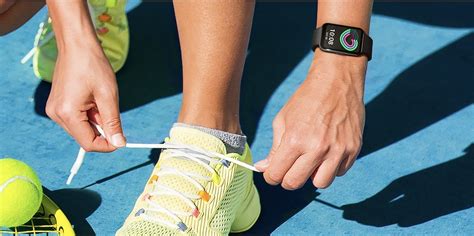
Pros & Cons
- Pros:
- Compact, lightweight design for comfortable 24/7 wear
- Bright, readable color display suitable for quick glances
- Good battery life for most everyday users
- Seamless integration with Samsung Health and straightforward setup
- Reliable daily tracking: steps, sleep, and general heart-rate monitoring
- Water-resistant for everyday swimming and showers
- Cons:
- No built-in GPS—depends on phone for accurate outdoor route tracking
- Sensor accuracy can vary during high-intensity activities
- Limited third-party app support compared with full smartwatches
- Advanced metrics and training features are basic compared with dedicated sports watches
How the Fit 3 Compares: Quick Reference Table
| Feature | Galaxy Fit 3 | Typical Budget Fitness Band | Entry-level Smartwatch |
|---|---|---|---|
| Display | Bright color AMOLED, easy glanceability | Smaller color or monochrome LCD | Larger color touch display, more interactive |
| Battery life | Multi-day battery, optimized for basic sensors | Often longer due to simpler screens | Shorter—daily charging common with heavy use |
| GPS | Phone-dependent | Usually phone-dependent | Often built-in on many models |
| Health sensors | Heart rate, sleep, SpO2 estimate | Basic heart rate, step tracking | Heart rate, SpO2, sometimes ECG and advanced metrics |
| Smart features | Notifications, music controls, limited apps | Basic notifications, limited controls | Broader app ecosystem and on-wrist interactions |
| Best for | Users wanting a simple, comfortable tracker | Cost-conscious buyers wanting basic tracking | Users who want more on-device functionality and apps |
Buying Guide: Is the Fit 3 Right for the Buyer?
Who should buy the Fit 3?
The Fit 3 suits buyers who prioritize comfort, long battery life, and reliable daily health metrics over advanced sports features. It is a solid pick for office workers, sleep-focused users, and casual fitness enthusiasts who carry their phone for outdoor runs and want a low-friction tracker to monitor general trends.
Who should look elsewhere?
Competitive athletes, users who require standalone GPS, and people who want a broad marketplace of watch apps should consider upgrading to an entry-level smartwatch or a multisport GPS watch. Also, buyers wanting integrated NFC payments or LTE connectivity will need to choose a more feature-rich device.
Key purchase considerations
- Phone compatibility: Confirm the tracker’s compatibility with the buyer’s phone model and operating system. Samsung Health offers the best feature parity on Samsung devices.
- Battery expectations: Consider daily habits: heavy notification use, frequent workouts, and always-on display modes will reduce battery life.
- GPS needs: If standalone route mapping is important, the Fit 3’s phone-dependent GPS may be limiting.
- Sensory accuracy vs. price: Set expectations—wrist-based sensors are convenient but not as precise as dedicated equipment.
- Strap and fit: Confirm available band sizes and replacement strap options for comfort and style.
Setup and Optimization Tips
Pairing and firmware
After charging, the first step is to pair the device through Samsung Health. Allow all requested permissions for steps, location, and notifications. Once paired, the app will usually check for firmware updates—install them immediately to benefit from stability and sensor improvements.
Find top-rated Electronics products at great prices.
See Deals →Personalizing the tracker
- Set the correct wrist and dominant hand in the app to improve step and motion detection.
- Choose watch faces that prioritize the metrics most important to the user (time, steps, heart rate).
- Adjust notification filters to reduce interruptions—limit to calls, messages, and priority apps only.
Power-saving strategies
- Disable always-on display or reduce its timeout to extend battery life.
- Turn off continuous SpO2 monitoring if not necessary overnight.
- Use battery saver modes when traveling or during long events.
Improving accuracy
For better heart-rate and activity readings, wear the tracker snugly about one finger’s width above the wrist bone. Clean the sensor and underside of the tracker weekly to remove sweat and residue that can interfere with optical readings.
Troubleshooting Common Issues
Sync problems
If the tracker fails to sync, restart Bluetooth on the phone, force-close the Samsung Health app, and try pairing again. Clearing the app’s cache or re-adding the device typically resolves intermittent sync issues.
False steps or sleep detection errors
Confirm the wrist setting (dominant vs. non-dominant) in the app. Recalibrate by wearing the tracker snugly and performing a short walk to let the step count re-align. For sleep inaccuracies, ensure the device firmware is up to date and avoid wearing the tracker loosely overnight.
Battery draining quickly
Review active features: reduce notification density, disable always-on display, and minimize continuous sensor tracking. If battery drain persists, a factory reset and fresh firmware install can clear software-level problems.
Maintenance and Longevity
Maintaining the Fit 3 is straightforward. Rinse and dry the band after swimming, dry the tracker thoroughly, and avoid exposing it to soaps and lotions for extended periods. Replace the band if it shows wear or collects odor that cannot be removed with gentle cleaning. Store the charger in an accessible place and perform occasional full discharges and recharges to help battery health monitoring features remain accurate.
Accessories and Add-Ons
Consider purchasing extra bands in different materials—fabric or leather for dress occasions and silicone for workouts. A compact charging cable for the office or travel kit helps maintain uptime. Keep in mind that straps should be certified or recommended by the device maker to ensure secure fit and water resistance preservation.
Conclusion
The Samsung Galaxy Fit 3 is a compelling option for someone seeking a lightweight, comfortable fitness tracker with a bright display and reliable day-to-day health tracking. It is best for users who carry their phone for GPS needs and who value long battery life and a simple user experience. The Fit 3 balances core fitness features with a refined design that makes continuous wear reasonable for sleep, workouts, and daily life. For buyers whose priorities include standalone GPS, advanced training metrics, or broader app ecosystems, it is worth considering other device classes; however, for most everyday users, the Fit 3 delivers a practical and approachable package.